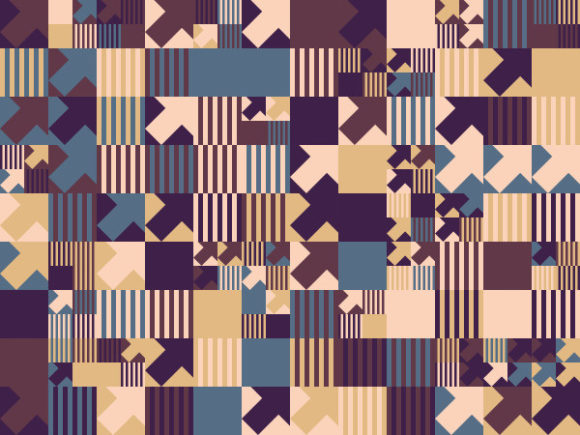
Retro 80s Bohemian Backdrop Review
As someone who has spent years reviewing machine embroidery design files for both personal hobbies and commercial ventures, I have learned to look past the flashy preview images. The real test of any file is how it translates from a digital screen to a physical piece of fabric under the needle. Today, I am evaluating the Retro 80s Bohemian Backdrop, a product listed under Print Templates and categorized as Graphics. While the description mentions SVG files suitable for various graphic design needs, my focus here is strictly on its viability as an embroidery file for serious makers.
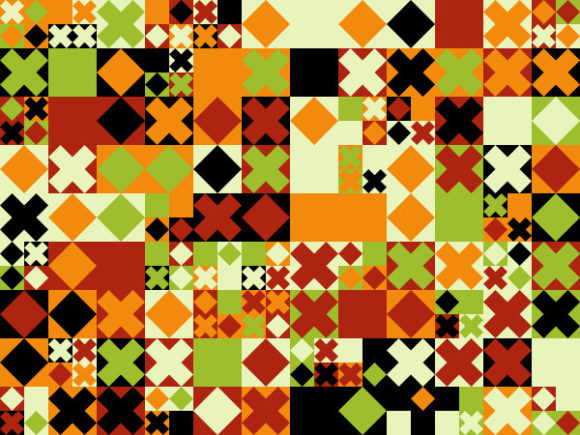
The first impression of the Retro 80s Bohemian Backdrop is one of distinct nostalgia mixed with modern edge. It captures that specific blend of art deco lines, modernism, and vintage charm that defined late twentieth-century aesthetics. Visually, it feels bold and graphic. For an embroidery project, this is a double-edged sword. The design promises a timeless look, but in stitching, "timeless" often means "dense." If you are planning to use this for custom apparel or small shop merchandise, you need to understand exactly how these geometric shapes will behave when converted into thread.
From Digital Screen to Stitched Reality
I recently put the Retro 80s Bohemian Backdrop through a stress test scenario: creating a boutique-quality embroidered tote bag for a local craft fair. The goal was to produce a handmade product that felt high-end enough to command a premium price point on Etsy. The design's layout, with its interlocking shapes and retro flair, initially seemed perfect for a large canvas like a canvas tote.
However, converting a vector graphic into a stitchable format requires careful consideration of stitch density. In the digital realm, the SVG file allows for infinite scalability, but once we talk about actual thread coverage, space becomes limited. When I tested the fill areas of the backdrop, I noticed that the dense sections could easily cause puckering if not supported correctly. This is where the choice of stabilizer becomes critical. A heavy-duty cutaway stabilizer would be necessary to keep the fabric taut, especially since the design features solid blocks of color rather than just delicate outlines.
The aesthetic appeal of the Retro 80s Bohemian Backdrop shines brightest when used on structured fabrics. Imagine applying this to a sturdy cotton twill for a sweatshirt or a thick denim jacket. The contrast between the soft texture of the thread and the rigid structure of the garment creates a professional finish. However, if you attempt to use this on thin, stretchy jersey knit without proper hooping techniques, the design might distort. The sharp angles of the bohemian theme do not forgive sloppy tension settings.
Where This Design Fits Best
Not every embroidery design is created equal, and knowing where to apply the Retro 80s Bohemian Backdrop is key to success. Based on my analysis, this file excels in projects where visual impact matters more than intricate detail work.
- Tote Bag Designs: The bold graphics translate beautifully onto canvas bags, making them ideal for Etsy seller listings looking to stand out.
- Holiday Embroidery: The retro vibe works exceptionally well for seasonal gifts, such as personalized aprons or kitchen towels featuring vintage patterns.
- Commercial Embroidery: For branding purposes, the clean lines of the art deco influence ensure that logos remain legible even after repeated washing.
- Baby Embroidery: While great for older children, parents often prefer softer palettes; however, the design can be adapted for nursery decor like pillow covers if the thread colors are muted.
When thinking about the finished product, consider the customer experience. A personalized gift featuring this backdrop feels curated and thoughtful. The combination of modernism and vintage elements suggests a brand that values history but embraces the present. This psychological connection can significantly boost buyer engagement for small business owners.
Pitfalls and Practical Warnings
Despite its strengths, there are specific scenarios where the Retro 80s Bohemian Backdrop should be used with caution. As a designer, my job is to tell you where things might go wrong before you waste time and thread.
Small Hoop Sizes: If you are working with a compact hoop, the intricate details of the backdrop may become muddy. Satin stitches in tight corners can bleed together, losing the crisp definition that makes the design so appealing. Always check your hoop size against the dimensions of the design elements before starting.
Fabric Texture and Color: The design relies heavily on contrast. On dark fabrics, light thread colors might get lost unless you use a high-density underlay. Conversely, on textured fabrics like bouclé or rough linen, the machine may struggle to pull the thread through evenly, resulting in skipped stitches. Thin fabrics are also risky; the weight of the thread alone could warp the material.
Detailed Corners and Lettering: If the design includes any text or tiny decorative accents, inspect them closely. Tiny lettering often fails in machine embroidery because the needle cannot penetrate the fabric densely enough without causing damage. If the original file has fine details, consider simplifying them or enlarging the scale to ensure clarity.
Curved Surfaces: Applying this to curved items like caps or hats requires advanced skills. The flat geometry of the art deco style does not naturally conform to the curve of a baseball cap. Unless you are using a specialized 3D embroidery machine or have extensive experience with curved surfaces, stick to flat applications like patches or pillow covers.
Designer Notes for Success
If you decide to move forward with the Retro 80s Bohemian Backdrop, follow these practical steps to ensure a professional result. First, always test the design on scrap fabric that matches your final project material. This simple step reveals issues with thread colors and tension before you ruin your main piece.
Review the stitch density carefully. If the file contains too much fill stitch in a small area, it will create a stiff, board-like texture that customers might find uncomfortable. You may need to adjust the density settings in your digitizing software to make the design more wearable. Also, compare your design in black and white mockups to ensure the composition holds up without relying on color alone.
Don't forget to check the licensing terms. Even though the product is described as a digital asset, verify whether you are allowed to sell finished items made with the embroidery file. Some graphics intended for print templates have restrictions on commercial use. Confirming these details protects your craft business from legal issues down the line.
Finally, pay attention to the stabilizer. Using the right support system is non-negotiable for maintaining the integrity of the finished product. Whether you are creating a single embroidered patch or a batch of sweatshirt embroidery for a holiday sale, proper stabilization ensures the design looks as good as the preview image.
In conclusion, the Retro 80s Bohemian Backdrop is a versatile tool for designers who appreciate bold, graphic aesthetics. It offers a unique blend of styles that can elevate printable mockups and physical products alike. By understanding its limitations and preparing accordingly, you can turn this digital paper into a stunning centerpiece for your next creative venture. Just remember: the best designs are those that respect the mechanics of the machine and the nature of the fabric.