Retro 80s Ethnic Art: A Designer's Real-World Embroidery Review
When I first opened the Retro 80s Ethnic Art file, my initial reaction wasn't just about the aesthetic; it was about the practical application. As a designer who spends hours tweaking stitch densities and testing thread colors on various fabrics, I look for more than just a pretty image. I need to know if a design will hold up in a real-world embroidery project, whether that is a custom tote bag for a boutique client or a personalized gift for a family member. This Print Templates category entry brings a distinct vibe, blending art deco lines with modernist shapes and vintage graphic sensibilities. It feels like a design asset that could elevate a small shop product from generic to memorable.
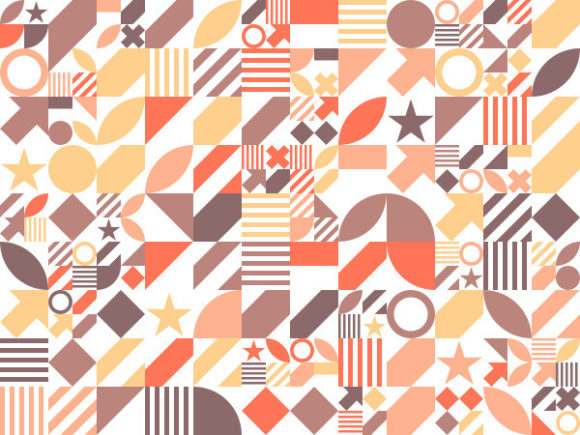
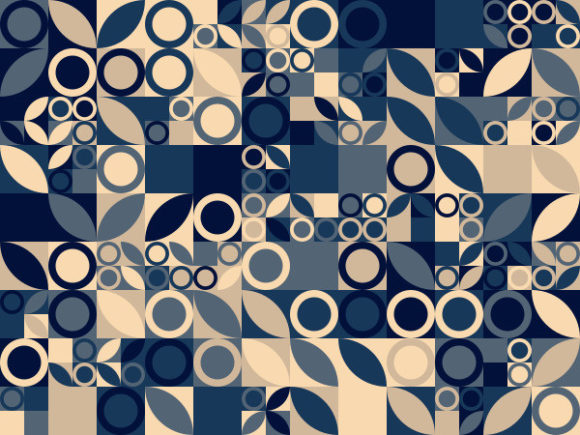
The mood created by Retro 80s Ethnic Art is undeniably bold yet nostalgic. The geometric patterns suggest movement, while the ethnic motifs ground it in tradition. For an embroidery designer, this balance is crucial. Too much detail can get lost in the stitching process, but too little looks flat on fabric. In my experience, this specific layout works best when the goal is to create a statement piece. It naturally belongs on items where the design can breathe, such as the back of a sweatshirt, the front panel of a cap, or as a central motif on a pillow cover. The scalability mentioned in the description is a massive plus, allowing me to resize the design without losing the integrity of those sharp, retro angles.
To understand how this design truly performs, let's look at a real-life scenario. Imagine I am preparing a batch of custom embroidered tote bags for a local craft fair. These are meant to be sold as high-end accessories, so the quality must be impeccable. I pull up the Retro 80s Ethnic Art SVG file. Because it is easily editable, I decide to adjust the color palette to match earthy tones—terracotta, olive, and cream—that would appeal to my target demographic. The challenge here is ensuring that the intricate details translate well from the digital screen to the stitched fabric.
When I run a test stitch on a scrap of canvas, the results are promising. The geometric sections fill out nicely, creating a solid visual block that draws the eye. However, the fine lines require careful attention to stitch density. If the density is too high, the fabric might pucker, ruining the crispness of the retro style. If it is too low, the design might look sparse and cheap. This is where the review of the actual embroidery file matters most. For a finished product like a tote bag, the design needs to feel substantial. Retro 80s Ethnic Art delivers that weight, making the bag feel like a premium item rather than a mass-produced souvenir. Customers walking through a craft fair want to see texture and depth, and this design provides exactly that when executed correctly.
Beyond tote bags, I have been considering how this design fits into other categories of handmade products. For baby clothes, the soft curves and playful geometry could work beautifully on a onesie or a nursery blanket, provided the stitch count is kept lower to ensure comfort against sensitive skin. The "ethnic" aspect of the name suggests cultural richness, which makes it perfect for holiday gifts or wedding favors where a touch of sophistication is desired. On a kitchen towel, the design could serve as a decorative border, adding a splash of personality to a functional item. For an Etsy seller, having a versatile design like this means one file can generate multiple listings, from digital printable mockups to physical embroidered patches.
However, not every surface is suitable for this level of detail. There are situations where Retro 80s Ethnic Art requires extreme caution. Small hoop sizes are a primary concern. If you attempt to stitch this on a tiny patch or a very small section of a garment, the fine details may become muddy. The machine might struggle to navigate the tight corners of the geometric shapes, leading to broken threads or uneven coverage. Similarly, textured fabrics like heavy denim or bouclé wool can obscure the design. The ridges in the fabric compete with the stitches, making the clean lines of the art deco style less visible. Stretchy fabrics present another hurdle; without proper stabilizer techniques, the tension of the satin stitch could cause the garment to warp, distorting the symmetry that makes this design so appealing.
Dense stitch areas are also a potential pitfall. While the design looks great digitally, the transition between different stitch types—such as moving from a running stitch outline to a fill stitch interior—must be seamless. If the software does not handle the digitization perfectly, you might end up with jump stitches that look messy on the final product. This affects customer trust significantly. A buyer paying for a handmade item expects precision. If the Retro 80s Ethnic Art design looks sloppy because of poor execution, it reflects poorly on the maker's brand consistency and professionalism. To avoid this, I always recommend testing the design in black and white mockups first. This helps visualize the contrast and ensures that the negative space is working as intended before committing expensive thread to the project.
For commercial embroidery projects, the value of Retro 80s Ethnic Art lies in its ability to create a cohesive brand identity. Whether you are decorating aprons for a coffee shop or creating merchandise for a creative entrepreneur, having a unique design asset sets you apart. The vintage aesthetic appeals to a wide audience, from millennials looking for nostalgia to older generations appreciating classic art styles. When used on apparel decorators' catalogs, it signals a focus on quality and trend-awareness. But remember, licensing is key. Before selling finished items or using these graphics for digital product previews, confirm the terms of use to ensure you are compliant with any restrictions on commercial sales.
Practical advice for designers tackling this project includes checking thread color contrast meticulously. The vibrant nature of the 80s theme demands threads that pop against the background fabric. Using standard black thread on dark fabric might hide the design entirely, while bright neon threads on light fabric could overwhelm the subtle ethnic details. Always inspect small details closely after stitching. Sometimes what looks perfect on the computer screen gets lost in the needlework. Use a proper stabilizer to support the fabric during the process, especially if you are working with thin materials or curved surfaces like caps. The curve of a hat can distort straight lines, so adjusting the design to account for the curvature is essential for a professional finish.
In conclusion, Retro 80s Ethnic Art is a robust addition to any designer's library of graphics. It offers a timeless aesthetic that bridges the gap between vintage charm and modern utility. By understanding its strengths and limitations, you can transform a simple digital file into a stunning handmade product that resonates with customers. Whether you are a hobbyist making a personalized gift or a small business owner scaling your craft business, this design has the potential to be a standout piece. Just remember to test, adjust, and execute with care to ensure the final result matches the promise of the original artwork.