Retro Camping Bigfoot I Hate People
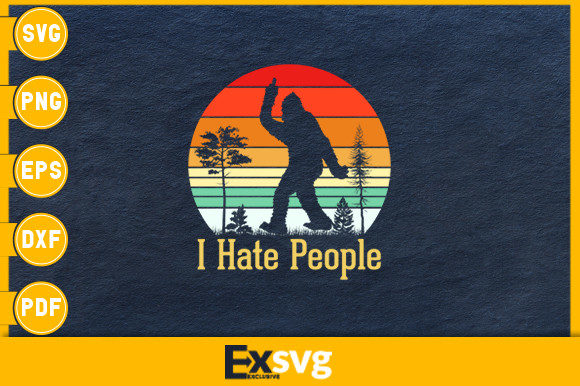
When I first opened the Retro Camping Bigfoot I Hate People file, my immediate reaction was a mix of amusement and professional caution. As someone who has spent years turning digital files into tangible stitched goods for clients and my own shop, I know that a catchy graphic doesn't always translate well to thread. This design sits right at the intersection of trendy internet humor and classic camping nostalgia, featuring a Sasquatch giving the finger in a vintage aesthetic. It is bold, slightly rebellious, and undeniably eye-catching, but the real question for any embroiderer is: does it hold up under the needle?
The First Stitch: Visual Personality and Mood
The mood of this piece is unmistakable. It captures that specific "I just want to be left alone in nature" vibe that resonates with so many people today. The retro style suggests a worn-in, vintage tee look, which pairs perfectly with the medium of embroidery itself. Unlike modern vector art that relies on flat colors, embroidery adds texture and dimension, making the grunge elements of this design feel even more authentic.
From a layout perspective, the composition is balanced. The text curves around the figure in a way that feels natural for apparel, likely sitting comfortably across the chest of a hoodie or centered on the back of a tote bag. However, the inclusion of the middle finger gesture introduces a layer of complexity. While it is great for a niche audience, it immediately narrows the demographic. You aren't selling this to a corporate client or a conservative nursery; you are selling it to the outsider, the introvert, and the person who loves the outdoors but hates the crowds. For an Etsy seller or boutique owner, knowing exactly who your customer is before you start stitching is half the battle won.
Real-World Application: Where Does It Shine?
I recently ran a mental simulation using Retro Camping Bigfoot I Hate People for a custom order. The project was a batch of heavy-duty canvas tote bags for a local craft fair vendor. In this scenario, the design performs exceptionally well. The durability of canvas can handle the density required for the fill stitches, and the rugged nature of the fabric complements the "wilderness" theme of the Bigfoot character.
This design would also be a powerhouse for sweatshirt embroidery. There is something inherently cozy about wearing a funny, slightly edgy design on a fleece pullover during a camping trip or a weekend hike. The contrast between the soft fabric and the structured stitching of the design creates a premium feel that customers love. Imagine this as a personalized gift for a friend who is notoriously difficult to shop for—their personality shines through in the finished product.
For those looking to expand their Print Templates or Graphics offerings, this file serves as a versatile asset. It works beautifully on aprons for coffee shops that want a bit of attitude, on pillow covers for a cabin-themed bedroom, or even on kitchen towels for the chef who prefers solitude over dinner parties. The versatility lies in its ability to adapt to various textures while maintaining its core message. When used on a baby item, however, the tone shifts entirely. A small embroidered patch on a onesie might turn a cute outfit into a statement piece for parents who embrace their chaotic side.
Technical Challenges and Fabric Considerations
While the concept is strong, the execution requires technical finesse. One of the primary concerns with this design is the detail level. If the original vector contains too many intricate lines for the lettering or the fur texture of the Sasquatch, they may blur together when stitched, especially on smaller hoop sizes. I always advise testing the design on scrap fabric first to ensure that the fine details remain distinct after the machine runs.
Fabric choice is critical here. Thin fabrics like light cotton tees might pucker under the weight of the stitches, particularly if the design includes large areas of fill stitch. Stretchy materials require a high-quality stabilizer to prevent distortion. If you are working on a curved surface like a cap, the curvature can distort the text, making the "I Hate People" message harder to read from certain angles. In such cases, a flatter surface like a tote bag or a square patch is much safer.
Dense stitch areas can be tricky. If the designer intended a lot of satin stitch for the outline, it might create a stiff ridge that feels uncomfortable against the skin. This is something to watch out for when creating custom apparel meant for sensitive skin, such as baby clothes or athletic wear. Additionally, dark fabrics will require a different thread color strategy than light ones. A black background might hide the details of the retro shading unless you use a high-contrast thread palette.
Design Judgment and Product Value
The success of an embroidery project often comes down to visual appeal and perceived value. A well-executed embroidery file elevates a simple commodity into a bespoke item. With Retro Camping Bigfoot I Hate People, the potential for high perceived value is there because of the unique subject matter. Customers are willing to pay more for items that express their identity clearly.
However, professionalism is key. If the stitching is sloppy, the edges are frayed, or the alignment is off, the "handmade" charm turns into a cheap knock-off. This is why checking stitch density and ensuring proper thread colors are essential. You want the final product to look intentional and polished, not rushed. A clean finish builds trust with your buyers and encourages repeat business, whether you are selling on Etsy or running a local craft booth.
Practical Notes for the Embroidery Designer
Before you commit to a full production run, take these steps to ensure your embroidery project goes smoothly:
- Test on Scrap: Always run a test on the same type of fabric you plan to use. Check how the stabilizer interacts with the material and if the tension needs adjustment.
- Review Small Details: Zoom in on the lettering and the fingers. Ensure that no tiny elements will get lost in the stitching process.
- Check Contrast: Create a black and white mockup to see if the design maintains its shape without relying on color. This helps visualize the stitch structure.
- Verify Licensing: If you intend to sell finished items, confirm the commercial license terms. Some digital products allow for single-use only, while others permit unlimited sales.
- Inspect the Output: After stitching, inspect the back of the work. Excessive backing threads can make the garment look unprofessional.
Ultimately, Retro Camping Bigfoot I Hate People is a fun, engaging design that fits perfectly into the current market for humorous, personality-driven merchandise. It offers a great opportunity for small business owners and creative entrepreneurs to create standout products. By paying attention to the technical details and choosing the right materials, you can transform this digital graphic into a cherished handmade product that your customers will love to wear and display.