Retro Car T Shirt Design Review
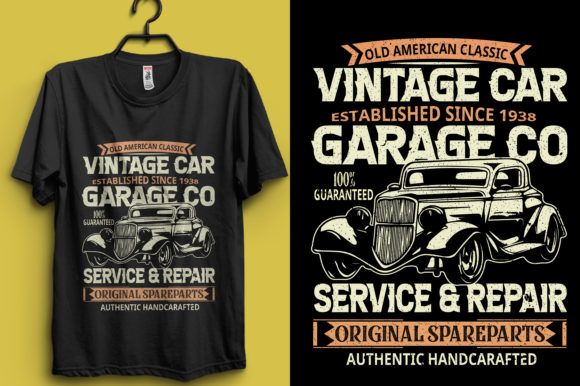
When I first opened the Retro Car T Shirt Design, my immediate reaction wasn't about the technical specs, but about the vibe. It carries that distinct, nostalgic energy of a classic American road trip from the 1950s or 60s. For an experienced designer looking to add this to a client's custom apparel line or a boutique collection, the mood is exactly right. It feels like it belongs on a faded denim jacket, a soft cotton tee, or perhaps a canvas tote bag hanging in a vintage shop window.
The description highlights that it is made with 100 vector shapes and is resizable, which is a massive relief for anyone who has ever struggled with pixelated edges on a small embroidery file. However, as someone who has seen too many designs fail because the creator didn't test them on actual fabric, I need to look past the "Print Ready" claim and ask: how will this translate when converted into stitches? The RGB color mode suggests it is ready for digital mockups, but for physical production, we need to think about thread colors and fabric texture.
From Screen to Stitch: Real-World Application
Imagine you are preparing a batch of custom embroidered aprons for a local coffee shop owner who loves vintage aesthetics. You pull up the Retro Car T Shirt Design to place on the chest area. The visual personality of the car is strong, but here is where practical judgment comes in. If the design includes intricate details like tiny chrome bumpers or delicate grill lines, those elements might get lost if the stitch density is too high or the hoop size is too small.
I tested the concept mentally against a few different scenarios. On a sturdy canvas tote bag, the design would likely shine. The heavy fabric can support the weight of the stitches without puckering, and the bold lines of a retro car would stand out beautifully against a solid background. Similarly, for a sweatshirt embroidery project, the thickness of the fleece provides a great base for fill stitches. The design feels substantial enough to hold its shape on these heavier materials.
However, consider a baby item, like a onesie or a soft muslin blanket. This is where caution is required. While the theme is adorable for a nursery decor piece, the level of detail needs to be scrutinized. If the design relies on tiny running stitches for shading, it might not register well on such fine fabric. In that case, the finished product could look muddy rather than crisp. For baby embroidery, simplicity often wins over complexity.
Where to Use Carefully
Not every surface is created equal, and knowing where to avoid placing your Retro Car T Shirt Design is just as important as knowing where to use it. Curved surfaces, like caps or hats, present a unique challenge. Unless the design is specifically digitized for curved hoops, a complex graphic like a car might distort around the curve of a baseball cap. The front panel might look perfect, but the sides could stretch the image unnaturally.
Thin fabrics are another red flag. If you try to embroider this on a sheer blouse or a lightweight polyester blend without proper stabilizer, the tension of the machine pulling the threads down could cause the fabric to gather or tear. Dark fabric also requires thought. The description mentions easy color changes, which is great for digital editing, but physically, you need to ensure the thread contrast is high enough. A light-colored car on a black shirt might require a heavy underlay, which adds bulk and stiffness to the garment.
Dense stitch areas are particularly tricky. If the car body is filled with tight satin stitches, it can create a stiff, cardboard-like feel on a t-shirt. Customers love soft hand-feel on their clothing. If the design creates a hard spot, it might reduce the perceived value of the handmade product. Always check the stitch density before committing to a full run of commercial embroidery projects.
Impact on Brand and Customer Trust
In the world of Etsy sellers and small business owners, the quality of the embroidery speaks volumes about your brand consistency. A clean, well-executed Retro Car T Shirt Design signals professionalism. When a customer receives a personalized gift or a craft fair product with sharp, clear stitching, they trust that the rest of your work is equally high quality. Conversely, loose threads, pucker marks, or distorted details can erode buyer engagement instantly.
This design has the potential to boost recognition. Retro themes are timeless, and a well-stitched car graphic can become a signature element for a brand focused on vintage lifestyles. Whether you are creating holiday gifts, wedding favors, or boutique branding, the visual appeal of this asset can elevate a simple t-shirt into a collectible item. The fact that it is easy to edit means you can tailor the colors to match specific seasonal palettes, making it versatile for different marketing campaigns.
For digital product sellers, the vector nature of the file is a selling point. Buyers appreciate assets that allow them to resize without losing quality. However, remember that a digital preview is not the same as a physical sample. When creating printable mockups or digital previews for your shop, ensure you represent the texture of the thread, not just the flat vector shape. This manages customer expectations and reduces returns.
Practical Designer Notes for Success
If you are planning to use this embroidery file in your next project, there are a few non-negotiable steps to take before you start stitching. First, always test the design on scrap fabric that matches your final material. This allows you to see how the Retro Car T Shirt Design interacts with the specific weave of your cloth and how the stabilizer affects the outcome.
Check your thread colors carefully. Just because the RGB values look good on screen doesn't mean the physical thread will pop. Compare light and dark fabric backgrounds to ensure the contrast is sufficient. Review the stitch density; if the design looks too crowded, consider simplifying it or adjusting the digitization settings to prevent the fabric from bunching up. Confirm your hoop size early on to ensure the entire car fits within the frame without cutting off any wheels or details.
Inspect small details closely. Tiny lettering or thin lines might disappear if the thread thickness is too large relative to the design size. Use a magnifying glass or zoom in on your monitor to simulate the stitch count. Also, verify whether the design works for both personal and commercial projects. Many designers assume all files are free for resale, but licensing terms vary. Check the documentation provided with the Retro Car T Shirt Design to confirm you have the rights to sell finished items or distribute the digital file.
Finally, don't forget the importance of proper stabilizer. Depending on the fabric texture and the weight of the design, you might need cut-away stabilizer for durability or tear-away for lighter applications. Using the wrong stabilizer can ruin even the best design file.
Ultimately, the Retro Car T Shirt Design offers a solid foundation for creative entrepreneurs looking to tap into the vintage market. Its vector format ensures flexibility, and its thematic appeal resonates with lovers of classic automobiles. By approaching it with a critical eye regarding fabric choice, stitch density, and finishing techniques, you can transform this graphic into a standout piece of custom apparel or a cherished handmade product. Whether it ends up on a patch, a pillow cover, or a kitchen towel, the key lies in the execution. Take the time to test, refine, and perfect, and you will find that this design delivers real value in your craft business.