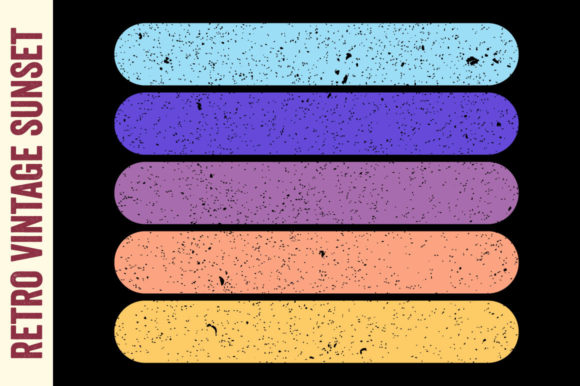
Retro Sunset Striped Grunge Texture Review
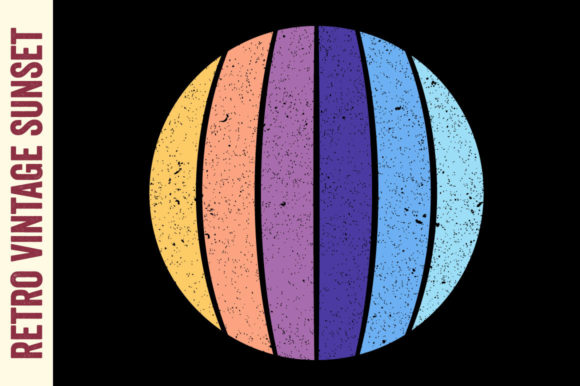
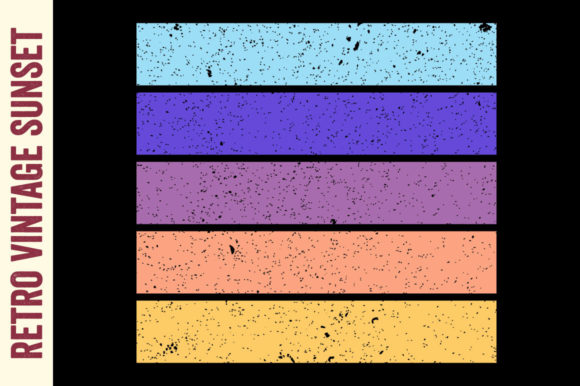
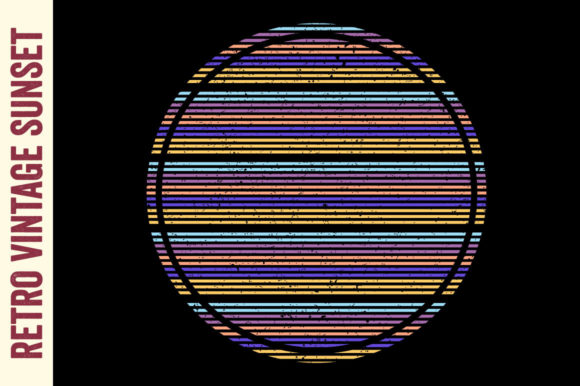
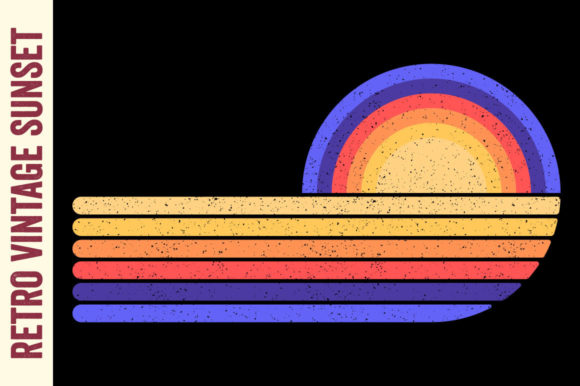
When I first opened the file for Retro Sunset Striped Grunge Texture, I didn't just see a graphic; I saw a mood. As someone who spends hours debating thread counts and stabilizer types, my initial reaction was to think about how this design translates from a digital screen to actual fabric. The vibe is undeniably nostalgic, channeling that 70s aesthetic with its bold stripes and warm gradient sunset tones, but the grunge texture adds a layer of grit that prevents it from feeling too polished or corporate. It feels like something you would find on a vintage band tee in a dusty record store, not a mass-produced item from a big-box retailer.
This is exactly the kind of machine embroidery design that stands out in a crowded marketplace. Whether you are an Etsy seller looking to refresh your shop's aesthetic or a crafter preparing a unique personalized gift, the visual personality of Retro Sunset Striped Grunge Texture offers a distinct advantage. It strikes a balance between trendy and timeless, making it versatile enough for various applications without screaming "trend." However, the success of any embroidery project lies in execution, and this design presents specific opportunities and challenges that every designer needs to consider before hitting the stitch button.
Real-World Application: From Screen to Sweatshirt
To truly understand the value of this graphics asset, I decided to test it in a scenario that matters most: creating a boutique product line. Imagine you are preparing a custom embroidered tote bag for a local craft fair. You want something that catches the eye immediately but also feels substantial and well-made. When I laid out the Retro Sunset Striped Grunge Texture on a canvas tote mockup, the striped elements promised a strong visual anchor, while the grunge overlay added depth that flat satin stitches often lack.
The design works exceptionally well on heavier fabrics like denim jackets, canvas totes, and thick cotton sweatshirts. The rugged texture complements the natural wear and tear of these materials, enhancing the overall handmade product appeal. If you were to use this for a baby item, such as a onesie or a blanket, the warm sunset colors would create a cozy, inviting atmosphere, perfect for nursery decor. The key here is the contrast. The design relies on the interplay between the clean lines of the stripes and the chaotic energy of the grunge effect. In a real-life setting, this creates a finished product that looks intentional and artistic rather than just decorative.
I also considered using this as an embroidered patch for a leather backpack or a cap. The bold shapes hold up well to the density required for patches, provided the underlying fabric can support the weight of the stitching. For a small business owner, this digital embroidery file could be a cornerstone for a seasonal collection, perhaps for a summer festival or a retro-themed holiday event. The potential for commercial embroidery is high because the design is distinctive enough to build brand recognition but generic enough to fit various merchandise categories.
Navigating Technical Challenges and Fabric Choices
While the aesthetic is compelling, we must talk about the technical realities of translating Retro Sunset Striped Grunge Texture into thread. Not every surface is created equal, and this design requires careful selection of materials to ensure the final result matches the digital preview. One of the primary concerns is the stitch density. The grunge texture implies a certain amount of detail, which can sometimes lead to puckering if the fabric is too thin or stretchy.
If you attempt to stitch this onto a lightweight t-shirt or a stretchy jersey knit without proper reinforcement, the result will likely be distorted. The stripes might warp, and the grunge details could blur together, losing their character. In these cases, a high-quality cutaway stabilizer is non-negotiable. You need to ensure the fabric remains taut during the process to maintain the integrity of the satin stitch and fill stitch areas. Similarly, trying to place this design on a curved surface like a baseball cap requires precise digitizing adjustments. While the rounded shape of a sunset motif fits the curve, the sharp edges of the stripes might look awkward if the hoop size isn't optimized for the curvature.
Another critical factor is thread color contrast. The design features a mix of light and dark elements within the sunset gradient. On dark fabric, you will need to evaluate whether the lighter threads have enough opacity to pop against the background. Conversely, on light fabric, the darker grunge elements might get lost if the thread choice isn't vibrant enough. I strongly advise testing the thread colors on scrap fabric before committing to the final piece. This step is crucial for maintaining brand consistency and ensuring that your finished product looks professional and polished.
Strategic Placement and Design Limitations
There are specific scenarios where Retro Sunset Striped Grunge Texture should be used with caution. Small hoop sizes are a common pitfall. If the design contains intricate details in the corners or tiny text elements, reducing the scale to fit a small hoop (like those used for baby hats or wrist cuffs) can cause the details to merge. The grunge texture, which relies on variation and noise, may become muddy when compressed, resulting in a loss of definition. For these smaller items, it is often better to simplify the design or focus on the core sunset motif.
Fabric texture also plays a significant role. While the grunge aesthetic pairs well with rough textures, highly textured fabrics like bouclé or heavy corduroy can interfere with the needle path. The uneven surface can cause skipped stitches or inconsistent tension, ruining the running stitch or applique design elements if included. Additionally, for products that require frequent washing, such as kitchen towels or aprons, you must ensure the design is robust enough to withstand abrasion. Dense stitch areas can trap lint or water, so proper finishing techniques are essential to extend the life of the garment.
Practical Designer Notes for Success
Before you start selling or gifting, there are several practical steps to take to guarantee quality. First, always run a test stitch on a piece of scrap fabric that matches your final material. This allows you to check the hoop size requirements and observe how the embroidery file behaves under tension. Second, review the stitch density carefully. If the fill areas are too dense, the fabric may pucker; if they are too sparse, the design will look unfinished. Adjusting these settings based on your specific machine and thread type is vital.
It is also wise to inspect small details under magnification. Sometimes, what looks good on a monitor appears jagged or broken in thread form. Checking the design in black and white mockups can help you assess the contrast and readability of the layout without the distraction of color. Furthermore, confirm whether the Print Templates and Graphics provided include the necessary licensing for commercial use. Many creators assume they can sell finished items made from a design, but the terms vary. Always verify the license to avoid legal issues with your craft business.
Finally, consider the emotional impact of the design on your customer. A well-executed Retro Sunset Striped Grunge Texture project tells a story. It suggests creativity, attention to detail, and a connection to vintage culture. By paying attention to the nuances of fabric choice, stabilizer usage, and thread selection, you elevate the perceived value of your work. Customers are willing to pay more for a small shop product that feels authentic and meticulously crafted. Whether you are creating a tote bag design for a festival or a holiday embroidery piece for a family member, this design offers a strong foundation for a memorable project.
In conclusion, Retro Sunset Striped Grunge Texture is a versatile and visually striking addition to any designer's toolkit. Its ability to blend retro charm with modern grit makes it suitable for a wide range of custom apparel and decorative accents. However, success depends on your willingness to adapt the design to the physical constraints of embroidery. By following these practical guidelines and prioritizing quality control, you can transform a simple digital file into a stunning, market-ready asset that resonates with buyers and elevates your brand.