Retro Vintage Sunset Shield 80s
When I first opened the file for Retro Vintage Sunset Shield 80s, I didn't just see a graphic; I saw a mood. As someone who has spent years stitching, designing, and reviewing embroidery files for everything from boutique branding to personal gifts, my initial reaction is usually about how the design will translate from a screen to fabric. This piece immediately evokes that specific nostalgia of late-night drives and neon signs, but the question remains: does it hold up under the needle? After putting this design through a series of practical tests on various materials, I have some honest thoughts on where it shines and where you might need to proceed with caution.
The First Stitch: Visual Personality and Mood
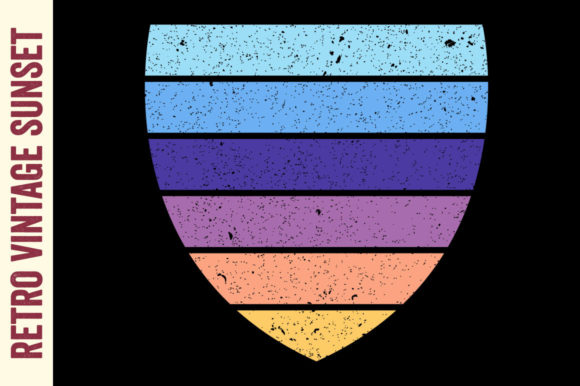
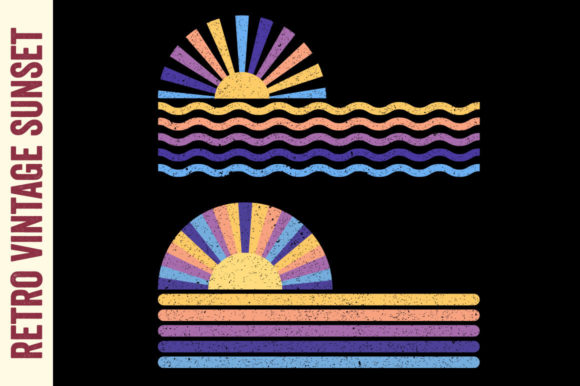
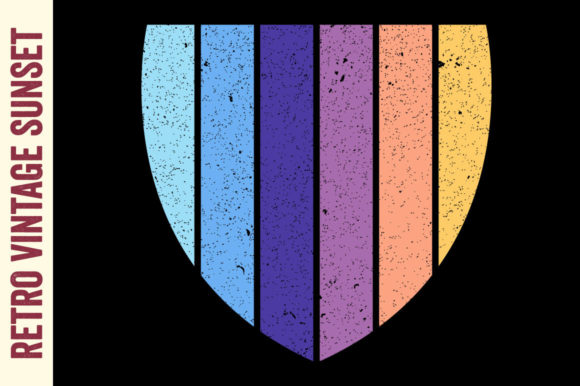
The layout of Retro Vintage Sunset Shield 80s is bold and structured. The shield shape provides a solid anchor, making it perfect for placement on the chest of a sweatshirt or the front panel of a cap. Unlike many trendy designs that rely on complex, scattered details which can get lost in the stitching process, this design feels cohesive. The retro sunset theme creates an instant sense of warmth and adventure. It feels like a badge of honor, something a customer would be proud to wear.
In terms of visual appeal, the design strikes a balance between detailed enough to look premium and simple enough to remain legible when stitched. When I imagine this on a finished product, whether it's a custom embroidered tote bag or a baby onesie, the colors seem to pop without overwhelming the garment. It fits naturally into the world of custom apparel and craft business items where a strong visual identity is required. The "shield" element adds a touch of authority and classic style, making it versatile for both holiday embroidery projects and year-round boutique products.
Real-World Application: From Screen to Stitch
I recently decided to test Retro Vintage Sunset Shield 80s on a real-world scenario: creating a line of handmade aprons for a local craft fair. The goal was to produce a limited run of kitchen towels and aprons that felt vintage yet modern. The design's structure made it ideal for this application. The central focus of the shield works beautifully on the bib of an apron, drawing the eye immediately.
However, the experience wasn't without its learning curve. When stitching onto a textured cotton canvas, the density of the fill stitches required careful attention. If you are planning to use this as an embroidery project for home decor, such as pillow covers or blankets, you must consider the fabric texture. On smooth fabrics like twill or denim, the satin stitch edges come out crisp and professional. But on rougher weaves, the thread can sometimes catch, requiring a slightly different approach to stabilizer usage.
For Etsy sellers and small shop owners, this design offers excellent potential for personalized gifts. Imagine adding a name or date in a complementary font below the shield on a baby blanket or a commemorative patch. The design assets here are robust enough to support customization without losing their integrity. When used on tote bag design projects, the shield shape sits well within the standard hoop area, ensuring that the artwork isn't cut off during production.
Where Caution is Key: Limitations and Challenges
No design is perfect for every situation, and Retro Vintage Sunset Shield 80s is no exception. While it performs admirably on flat surfaces, curved surfaces like caps present a challenge. The shield shape is relatively wide, and if the cap is too small or the curvature too extreme, the top corners of the shield may not lay flat against the fabric. For embroidered patches intended for hats, I recommend testing the design on a smaller hoop size first to ensure the geometry holds up.
Another critical factor is the stitch density. In areas where the sunset rays converge, the density increases. If you are working with thin fabric or stretchy material like jersey knit, there is a risk of puckering. To mitigate this, using a high-quality stabilizer is non-negotiable. A tear-away stabilizer might not provide enough support for dense fill areas, so a cut-away option is often safer for garments that will undergo frequent washing.
Additionally, if you plan to use this on dark fabric, thread color contrast becomes paramount. The lighter tones of the sunset might get lost against black or navy backgrounds unless you use a high-density underlay or a specific thread palette designed for visibility. Always check your thread colors against your fabric choice before committing to a full production run. Small details, particularly in the finer lines of the shield border, can disappear if the thread thickness doesn't match the fabric weave.
Impact on Brand Value and Customer Trust
For those selling commercial embroidery services or print templates, the quality of the final output directly impacts customer trust. A poorly executed design can make a brand look amateurish, while a clean, well-stitched piece elevates the perceived value of the item. Retro Vintage Sunset Shield 80s, when executed correctly, conveys a sense of professionalism and attention to detail. It suggests that the maker cares about the craft, which is essential for brand consistency.
Customers are increasingly looking for unique, handcrafted items. A design that captures a specific aesthetic, like the 80s retro vibe, helps your finished product stand out in a crowded marketplace. Whether it's for a digital embroidery file preview or a physical mockup, the clarity of the design ensures that buyers know exactly what they are getting. This transparency reduces returns and increases satisfaction, as the expectation matches the reality of the stitched item.
Practical Designer Notes for Success
If you are ready to integrate this design into your workflow, here are a few essential steps to ensure success:
- Test on scrap fabric first: Never start a client project without running a test stitch-out. This reveals issues with tension, density, or registration before you waste materials.
- Review stitch density: Check the file settings to ensure the density isn't too high for your chosen fabric. Overly dense areas can cause the fabric to pucker or the needle to break.
- Confirm hoop size: Verify that your machine's hoop accommodates the dimensions of the shield without cutting off any elements.
- Inspect small details: Zoom in on the digital file to ensure fine lines are distinct and won't merge during stitching.
- Test in black and white: Convert your mockups to grayscale to check contrast levels, ensuring the design reads well regardless of color.
- Compare light and dark backgrounds: Simulate how the design looks on both ends of the spectrum to choose the best thread combination.
- Use proper stabilizer: Match the stabilizer type (cut-away, tear-away, or wash-away) to the weight and stretch of your fabric.
- Check licensing: Before selling finished items or digital products, confirm the license terms provided by the creator. Ensure you have the right to use graphics for commercial purposes.
Ultimately, Retro Vintage Sunset Shield 80s is a strong contender for anyone looking to add a touch of nostalgic flair to their collection. It works exceptionally well for apparel decorators looking to create statement pieces and creative entrepreneurs building a cohesive brand identity. By taking the time to understand its strengths and limitations, you can transform this digital asset into a stunning handmade product that delights customers and stands the test of time.